
So I was fiddling with my Solana staking setup the other day, and something just felt off about the wallet I was using. Seriously? Yeah, even though I’ve been around crypto for years, I still get surprised by subtle stuff—like, how a wallet’s integration with hardware devices can make or break your security game. Here’s the thing. If you’re diving into Solana’s ecosystem, it’s not just about holding tokens or getting some yield. It’s about picking the right tools that actually keep your assets safe and let you interact smoothly with validators and DeFi apps.
First impressions matter, and my gut said I needed a wallet that plays nice with hardware wallets. Those cold wallets? They’re lifesavers. But integrating them without constant headaches—that’s the real challenge. I initially thought any wallet supporting hardware devices would be equally reliable, but then I ran into quirks that made me rethink everything. The complexity of validator selection on Solana, combined with wallet compatibility, is often overlooked, though actually it’s the backbone of a secure staking experience.
Here’s a quick reality check: not all wallets are created equal, especially when it comes to managing your validator relationships. I’m biased, but Solflare stands out for its blend of user-friendly design and robust support for hardware wallets. Plus, the staking interface is surprisingly intuitive. If you haven’t checked it out yet, the solflare wallet download page is a good place to start. But before you rush, let me walk you through what’s got me hooked—and where some frustrations still creep in.
Why does hardware wallet integration even matter? Well, think of it like this: your private keys are your treasure map. Keeping them offline reduces risks of hacks, phishing, and those sneaky malware scripts. But if your wallet doesn’t talk well with your hardware device, you end up fumbling with clunky setups or worse, exposing your keys unintentionally. Ugh, that part bugs me.
On the validator front—man, this is a rabbit hole. Choosing the right validator isn’t just about picking one with the highest APR. There’s reputation, uptime, commission fees, and importantly, how the wallet lets you manage and switch validators without jumping through hoops. For example, some wallets force you to interact via command lines or confusing interfaces. Solflare’s UI, in contrast, makes that surprisingly painless, though I admit some of the advanced options can get buried under menus.
Whoa! Check this out—
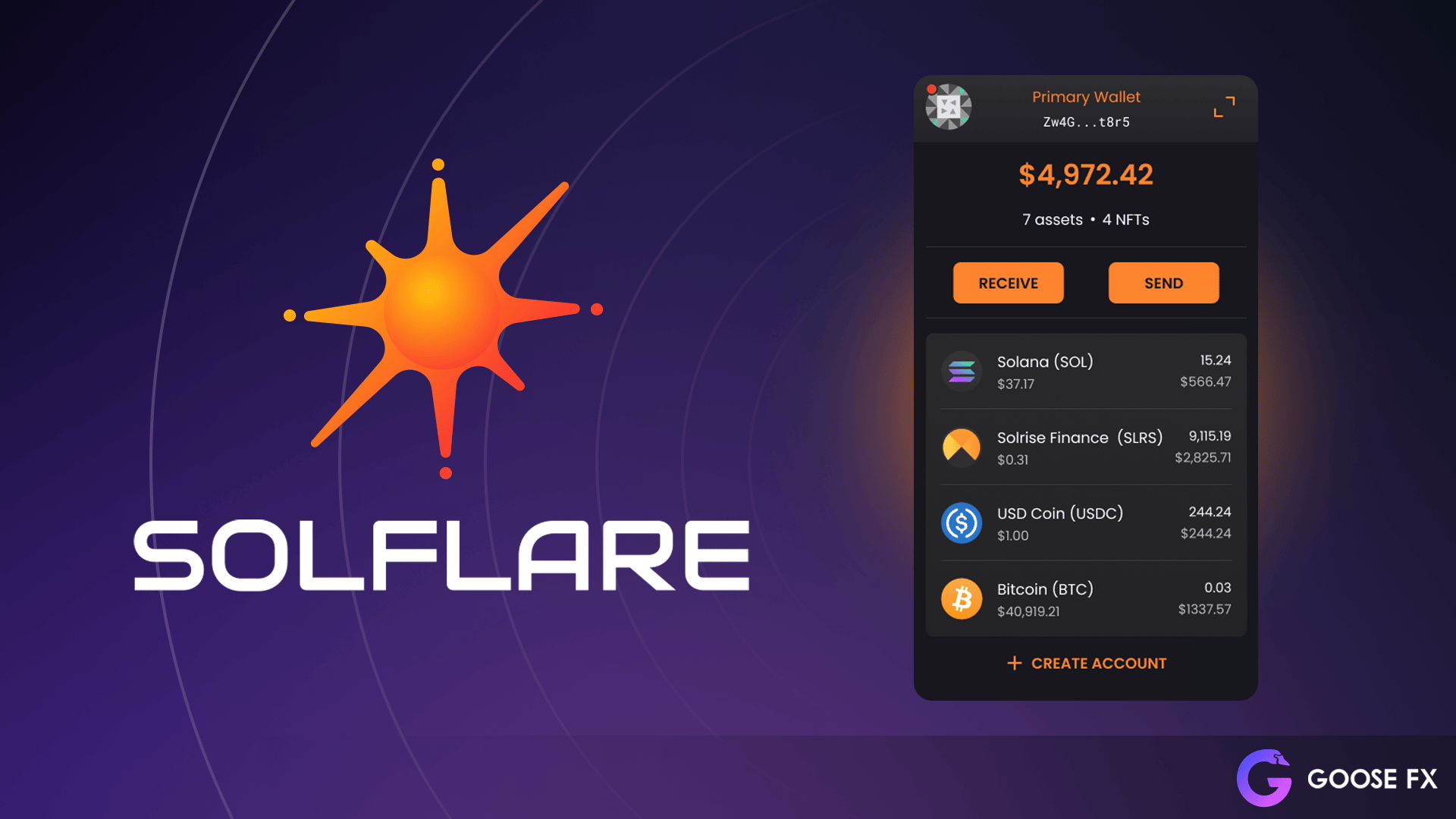
Okay, so here’s why I think Solflare nails it. The wallet allows seamless connection with popular hardware wallets like Ledger and Trezor, so you get that cold storage security without sacrificing convenience. Plus, it supports delegation right from the wallet, letting you pick and monitor validators directly. This is a game changer for anyone serious about staking on Solana.
But wait—there’s more. Validator selection on Solana is a bit like choosing a good mechanic in your hometown. You want someone reputable, reliable, and not gouging you on fees. Initially, I thought just checking commission rates would be enough. Turns out, validator reliability and community trust matter way more. I found myself switching validators a few times before settling on a couple that matched my risk tolerance and values.
Here’s where it gets tricky. If your wallet doesn’t provide transparent data on validators, you’re flying blind. Solflare offers detailed stats on validator performance and commissions, which helps. However, some metrics could be clearer—like historical downtime or slashing events. That said, I’m not 100% sure if any wallet has cracked that nut perfectly yet. It’s a work in progress.
Now, for those who like to tinker with hardware wallets, Solflare’s integration includes support for USB and Bluetooth connections, which covers most use cases. I was a bit skeptical about Bluetooth at first—doesn’t it open security risks? But after some digging, I realized the wallet uses encrypted channels and you have to approve every transaction manually. Still, I stick mostly to USB because old habits die hard.
Speaking of habits, managing multiple validators through a single wallet can get messy. I noticed that Solflare’s interface lets you delegate to multiple validators without juggling separate accounts. This flexibility is huge for spreading risk. On the flip side, tracking rewards and unstaking timelines across validators still requires a bit of mental bookkeeping. It’s not fully automated, which is fine by me, but some folks might find it tedious.
Here’s a fun tidbit—I tried pairing Solflare with a less mainstream hardware wallet just to see if it worked. Spoiler: it didn’t, at least not smoothly. That’s a reminder that sticking to widely supported devices is safer. The wallet developers seem focused on major brands, which makes sense but also limits choice somewhat.
Anyway, if you’re looking to get started or upgrade your setup, the place to get the official app is through the solflare wallet download page. It’s legit, secure, and always updated. I recommend avoiding random download sites because of all the phishing scams floating around.
One last thing—validator selection isn’t static. The Solana network evolves fast, and validators come and go, change commissions, or improve performance. Your wallet should make it easy to re-evaluate and switch when needed. Solflare’s regular updates have made this process easier over time, but it’s on you to stay informed.
Honestly, managing Solana staking can feel like juggling chainsaws sometimes. But with the right wallet—preferably one that integrates well with your hardware device—and a thoughtful validator choice, you’re setting yourself up for a smoother ride. It’s not perfect yet, though. Some features could be more user-friendly, and transparency could improve. But for now, this combo feels like the best option out there, at least from where I’m standing.
So yeah, if you’re serious about securing your Solana assets and want an easier way to stake, consider giving Solflare a shot. Downloading it is straightforward, and pairing it with a hardware wallet adds that extra peace of mind. Plus, once you get the hang of validator selection through a solid interface, you’ll wonder why it ever seemed so complicated.
Anyway, that’s my two cents. I’m still learning, switching validators here and there, and keeping an eye on wallet updates. Crypto’s a wild ride—sometimes you nail it, sometimes you don’t. But with tools like Solflare, the ride gets a little smoother.
Deja una respuesta